
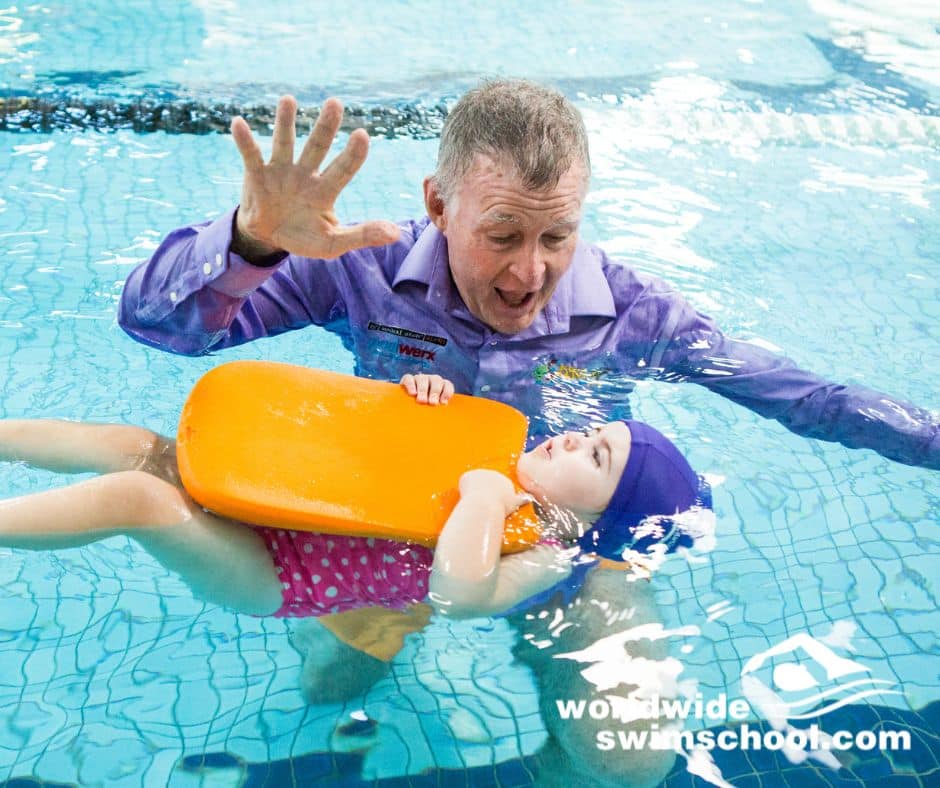
Laurie grew up around the famous Tobruk pool where great Olympians trained. These early experiences as a child, along with his formal education, helped to develop his philosophies around effective teaching practices. Laurie was aware early on that the need for great Swim Teachers around him would help his swim school grow. Over the past 40 […]
Resources & Baby Swimming Tips For Parents
These articles are invaluable resources for parents. They include baby swimming tips and educational tips and techniques we recommend on implementing towards your child's development.
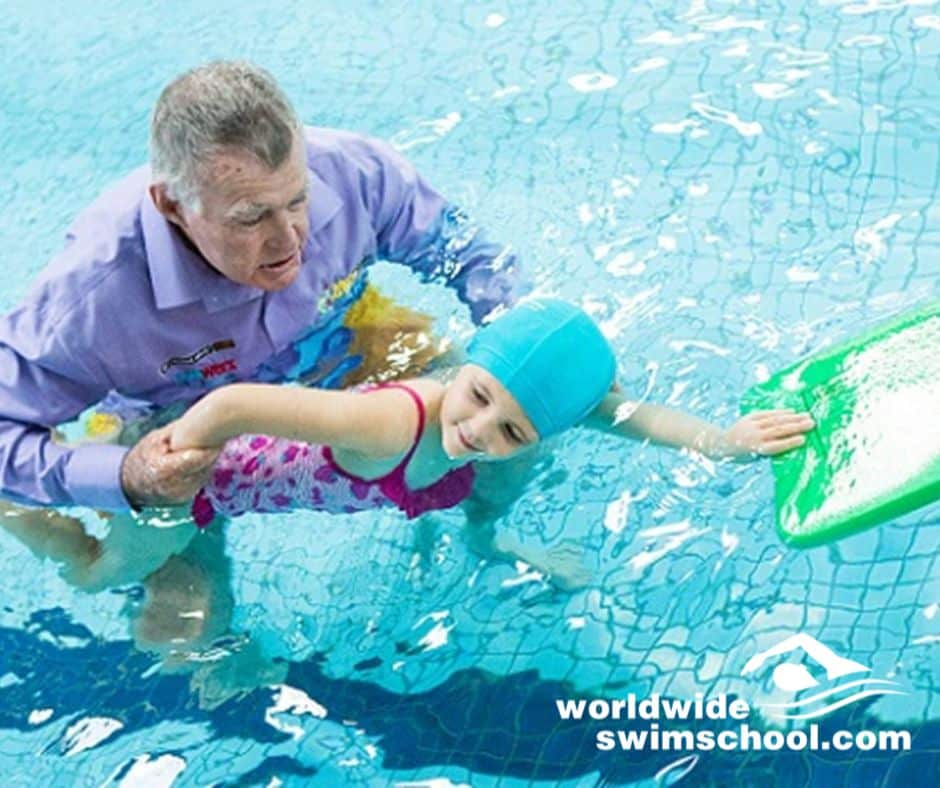
Laurie’s Learn to Swim Principles Part 2
Ledge kicking is often used as an introductory warm up activity in the Learn to Swim Principles. Utilising shallow ledges where children over the age of 4 can practice kicking drills is ideal. In this way, the depth of the kick is restricted. Also, children learn to perform the kicking action correctly and independently. Front and […]

Laurie’s Learn to Swim Principles Part 1
From the age of 4, children start to gain control over their fine motor skills. Therefore, Laurie believes that we need to instill in children good neuromuscular patterns from their very first Learn to Swim lesson. In addition, even in the under 4 year swimming program, parents are encouraged to manipulate their children’s legs up […]
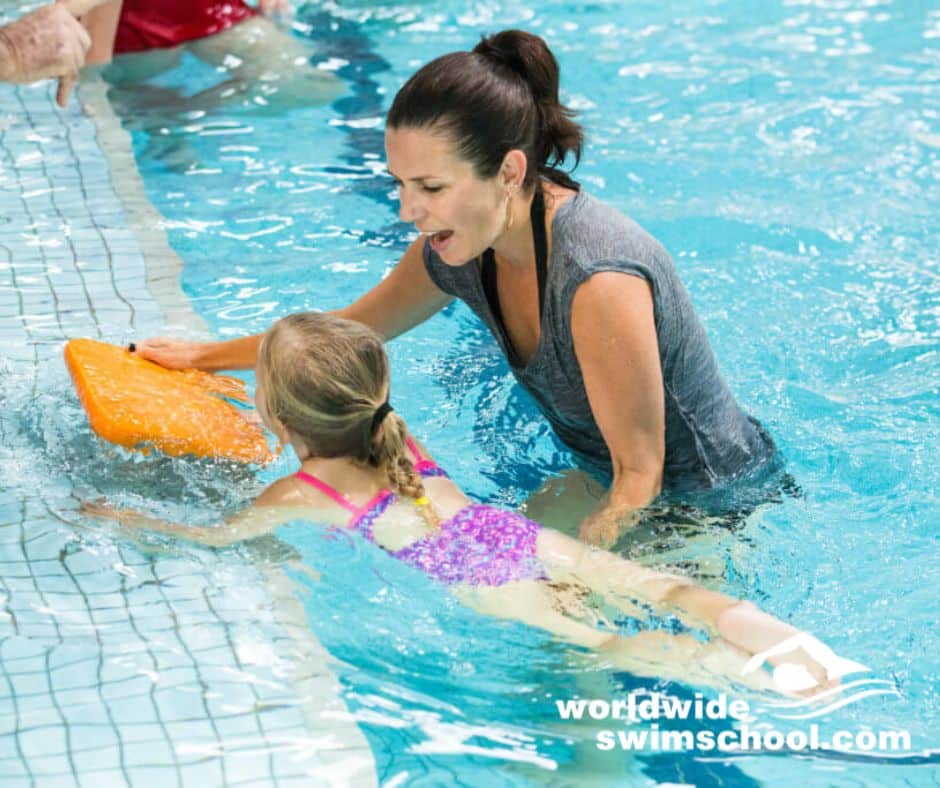
Benefits of Parental Participation in Swim Classes
World Wide Swim School recommends parental participation in the swimming lesson until the age of 4 years. A good swimming teacher will impart knowledge to the parents in the lesson and use them as an assistant to their teaching where possible. The more knowledge a parent has, the better help they will be to their […]

Water Safety Reminders for Parents
Ensuring children’s health and safety is the responsibility of parents and teachers when teaching children to swim. For example, exposing children to bathtubs, swimming pools, spas, creeks, rivers, dams, fish ponds or any open water poses many dangers. In addition, drowning is the greatest cause of accidental death in children under the age of five […]