

What Is Autistic Restraint Collapse?
While they may appear to cope well during school hours, this effort requires significant mental and emotional energy. By the time school finishes, many autistic students have exhausted their capacity to regulate themselves. Once they reach a safer environment or transition to another activity, their ability to hold everything together can suddenly collapse.
This collapse may involve crying, anger, withdrawal, refusal to participate, or complete emotional overwhelm. Importantly, it is not a deliberate behavioural choice—it is the nervous system releasing accumulated stress.
For swimming instructors running lessons in the late afternoon, this means the pool may be the place where that release happens.
Why It Often Appears in Afternoon Swimming Lessons
School environments demand constant attention, social awareness, and behavioural regulation. Autistic children may spend hours interpreting social cues, managing sensory challenges, and masking behaviours that might otherwise help them regulate.
By the end of the day, their capacity for additional demands can be extremely limited.
Schools are often loud, bright, and busy environments. Noise from classrooms, playgrounds, bells, and crowded areas can accumulate throughout the day. By the time swimming lessons begin, a child’s sensory threshold may already be exceeded.
Even though pools can be enjoyable sensory spaces, they also involve echoing acoustics, whistles, splashing water, and constant visual movement.
Moving from school to the swimming pool requires several transitions: leaving school, travelling, changing clothes, entering a new environment, and adjusting to a new instructor or group. Transitions are known to be particularly challenging for many autistic individuals.
When combined with fatigue, these transitions can trigger emotional overload.
Many autistic children consciously or unconsciously mask their behaviours at school. This may involve suppressing stimming, forcing eye contact, copying social behaviours, or remaining silent in stressful situations.
How Restraint Collapse May Look in the Pool Environment
Refusing to enter the pool
Crying or emotional outbursts
Sudden anger or shouting
Dropping to the ground or hiding
Clinging to a parent or carer
Withdrawal and silence
Difficulty following instructions they usually manage
Increased sensory sensitivity
It is important to remember that these behaviours are not signs of defiance or poor attitude. They are signals that the swimmer’s nervous system has reached its limit.
A child who usually loves swimming may suddenly refuse to get in the water. Another may appear unusually irritable or unable to concentrate. Without understanding restraint collapse, instructors may mistakenly interpret this as a lack of motivation or behavioural resistance.
In reality, the child may simply be overwhelmed.

The Role of the Nervous System
Throughout the school day, autistic children may spend long periods in a state of heightened alertness. Their nervous system is constantly processing sensory information, monitoringsocial expectations, and managing internal regulation.
When the nervous system remains in this heightened state for too long, it eventually needs to release that tension. Once the child reaches a safer or less structured environment, the body may shift suddenly into emotional release.
This release is not voluntary—it is a natural physiological response to accumulated stress.
For swimming teachers, recognising this can change the way we respond, approach, and teaching practices. Instead of trying to correct behaviour, we can focus on supporting regulation.
Why the Pool Can Still Be a Positive Space
Deep pressure through water resistance
Rhythmic movement during swimming or floating
Reduced gravity, allowing easier body control
Consistent sensory feedback from the water
For some children, once they are able to enter the pool, their nervous system begins to calm. The water can act as a regulating environment that helps them recover from the stress of the day.
However, the key is allowing them to enter the activity at their own pace.
Recognising Early Signs
Swimming instructors who regularly teach autistic swimmers often develop the ability to recognise early signs of restraint collapse. These might include:
The child appearing unusually quiet or withdrawn
Slower responses to instructions
Increased irritability or frustration
Avoidance of eye contact or communication
Repeated requests to leave or sit out
Sensory behaviours such as covering ears
Recognising these signals early allows instructors to adjust the lesson before overwhelm escalates.
Strategies for Supporting Swimmers Experiencing Restraint Collapse
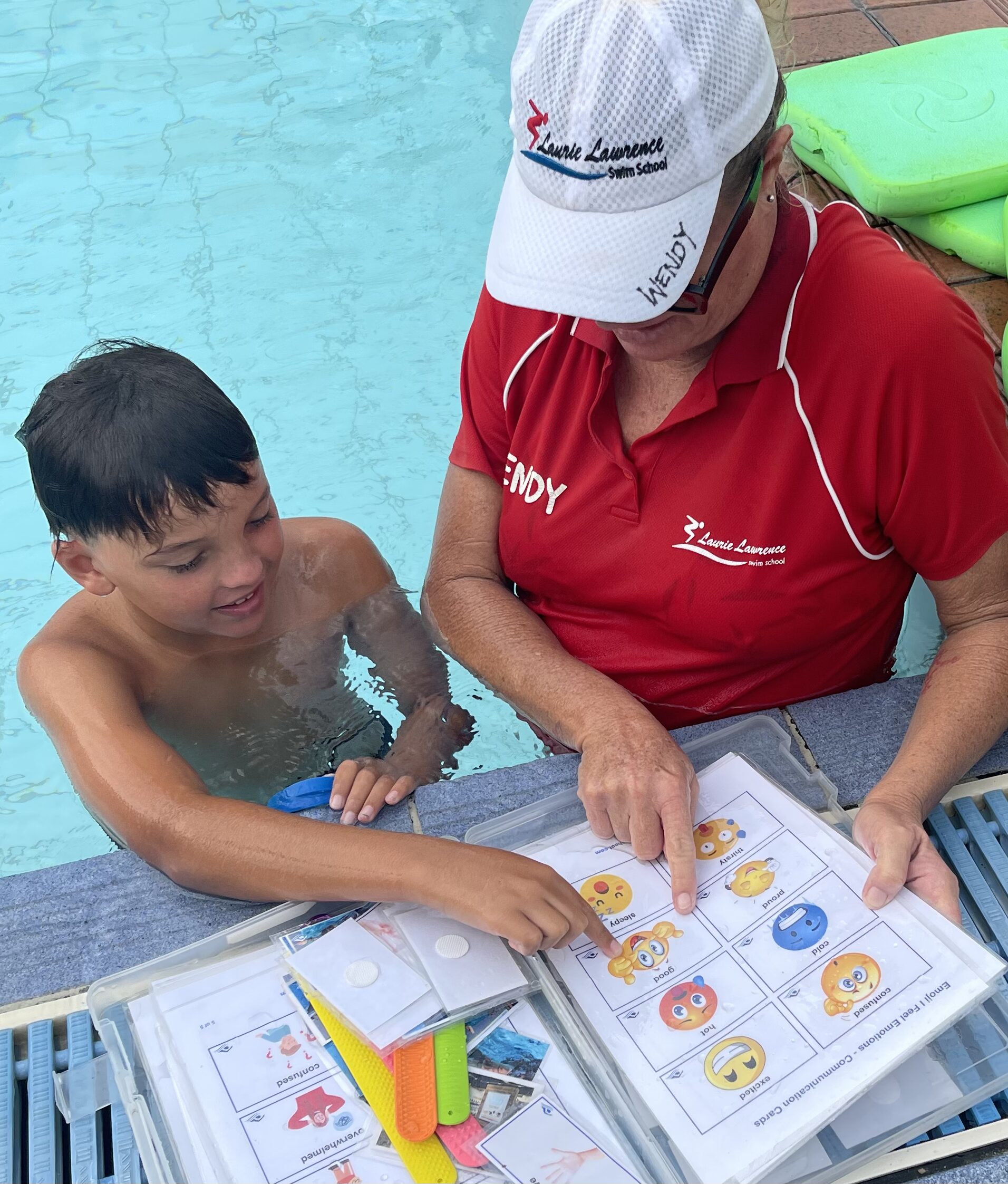
If a swimmer arrives clearly exhausted, it may not be the right moment to introduce new skills. Instead, focus on familiar activities that provide comfort and success.
Some swimmers benefit from sitting on the edge first, dipping their feet in, or holding the instructor’s hands as they enter. Rushing the transition can increase distress.
A calm greeting, a smile, or a few moments of quiet interaction can help the swimmer feel safe. Regulation often begins with connection.
4. Reduce sensory demands
Where possible, minimise loud instructions, whistles, or multiple simultaneous directions. Clear, simple communication can make a significant difference.
5. Allow regulation breaks
Some swimmers may need time on the wall, floating quietly, or even sitting out briefly before rejoining the lesson.
6. Work with families
Parents and carers often have valuable insight into how the child’s school day has been. A quick conversation before the lesson can help instructors anticipate potential challenges.
Shifting Our Perspective as Instructors
Instead of asking: “Why is this child refusing?”
We might ask: “What has this child had to manage today?”
Instead of assuming a lack of cooperation, we recognise signs of exhaustion.
Instead of pushing through the lesson plan, we prioritise emotional safety.
This shift in perspective allows instructors to create a learning environment where autistic swimmers feel understood rather than pressured.
Building a Culture of Understanding in Aquatic Programs
Some days, a swimmer may achieve new skills and show incredible focus. On other days, simply entering the water and floating calmly may be the most meaningful achievement. Both outcomes are valuable.
When instructors understand restraint collapse, they recognise that the swimmer who struggles after school is not lacking motivation or discipline. They are a child who has spent the entire day working extremely hard to meet expectations.
The pool can become a place where that effort is finally allowed to release.
A Final Reflection
Autistic restraint collapse is a powerful reminder of the hidden effort many autistic children invest in navigating everyday environments. By the time they arrive at afternoon swimming lessons, they may already be carrying a full day of sensory, social, and emotional demands.
For swimming instructors, awareness of this experience can transform how lessons are delivered. A little flexibility, patience, and understanding can turn a moment of overwhelm into a moment of safety.
The goal is not simply teaching swimming skills—it is creating an environment where every swimmer feels accepted, supported, and able to regulate in their own time.
When this happens, the pool becomes more than a place for learning strokes. It becomes a place where children can finally exhale.
Discover the Swim Library
At World Wide Swim School, we are committed to fostering inclusive aquatic practice and supporting swim instructors, educators, and programs in creating accessible, empowering, and respectful learning environments for all.
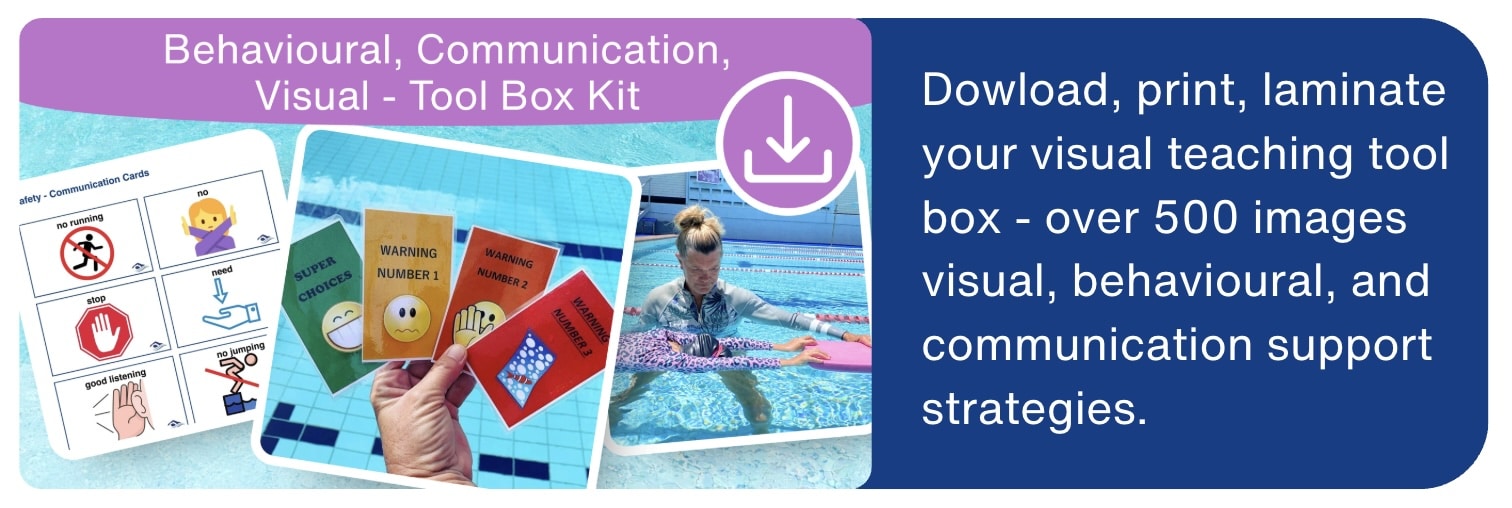
Learn more with our Online PD Learning Packs - take your pick. If you want more across all ages and skills subscribe to our Swim PD Academy Online Platform.
Stay up to date with World Wide Swim School Offers - Articles Subscribe to newsletter it's FREE!